
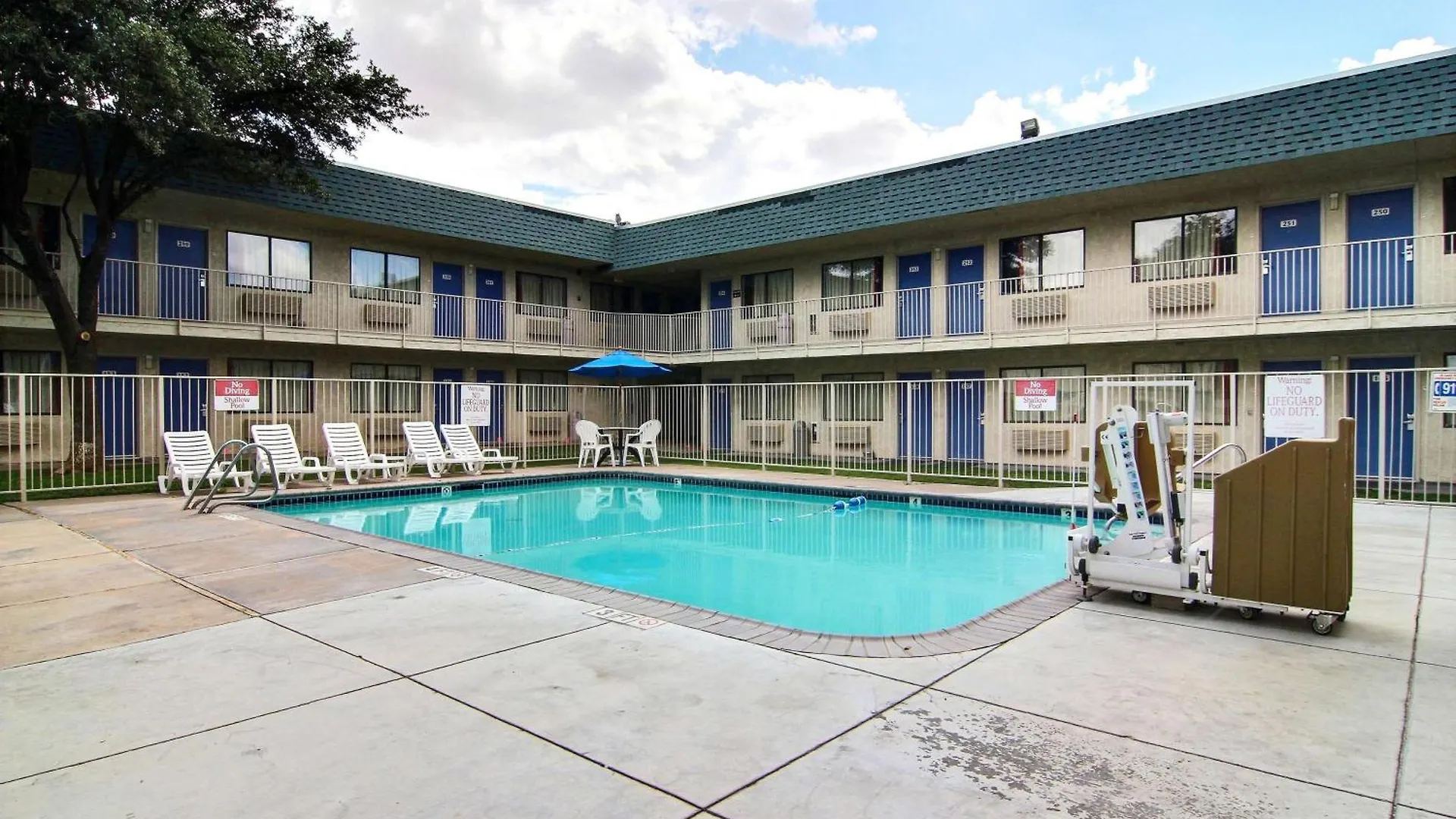
Texas Wine Country spans the Texas Hill Country and surrounding West Texas corridors, anchored by towns like Boerne, Seguin, Fredericksburg, and Uvalde - a region where limestone ridges, cedar-studded valleys, and over 50 wineries define the travel rhythm. Whether you're road-tripping between tasting rooms or using the area as a base for San Antonio day trips, the right hotel placement changes the entire experience. This guide compares 6 hotels across the region to help you decide exactly where and what to book.
What It's Like Staying in Texas Wine Country
Texas Wine Country is not a walkable urban destination - it operates on a drive-everywhere rhythm, with wineries spread across rural routes like US-290 and FM-1376, often 10 to 20 minutes apart by car. The region draws couples, wine enthusiasts, and weekend escapees from Austin and San Antonio, meaning weekends in Boerne, Fredericksburg, and Seguin can fill up fast, while mid-week stays remain noticeably quieter. Towns like Uvalde and Fort Stockton sit on the western fringe, offering a slower, more isolated base that suits travelers prioritizing budget and access to West Texas attractions over Hill Country winery density.
Crowd patterns peak sharply from March through November, particularly on fall harvest weekends, when Fredericksburg and Boerne see near-full occupancy across all hotel categories. Travelers who don't need to be at the center of wine trail action will find better value and availability in towns like Buda or Seguin, which sit within around 25 km of San Antonio and offer quick highway access without the Hill Country premium pricing.
Pros:
Direct access to 50+ wineries along established wine trails without needing to plan complex logistics
Proximity to San Antonio means major urban amenities, airports, and attractions are within around 50 km for most Hill Country hotels
Significantly lower hotel rates compared to Austin city-center stays, with more space per dollar across most properties
Cons:
A personal vehicle is non-negotiable - there is no meaningful public transit connecting wineries, towns, or trailheads
Weekend demand in peak season drives last-minute availability near zero in popular towns like Boerne and Seguin
West Texas outposts like Fort Stockton are isolated, requiring advance planning for dining, fuel, and activities
Why Choose Design Hotels in Texas Wine Country
Design-forward hotels in Texas Wine Country tend to prioritize functional comfort and regional character over luxury service stacks - expect properties with outdoor pools, well-configured rooms, and practical amenities like kitchenettes or full kitchens that suit multi-night wine country stays. Unlike Austin boutique hotels, where design often commands a significant premium, design-oriented hotels here deliver more usable space per dollar, with rooms frequently including desk areas, cable TV, and parking - essentials for road-tripping guests managing their own itinerary. The trade-off is that true architectural showpieces are rare; what you get instead are properties with above-average layouts, accessibility infrastructure, and amenities like outdoor pools that align well with the region's warm climate.
For travelers spending most of their time at wineries, state parks, or on scenic drives, a hotel with free parking and kitchenette access saves meaningfully over multi-night stays - reducing both costs and logistical friction. Properties in this category across Texas Wine Country typically sit in the 3-star classification, but several punch above that rating in terms of pool quality, breakfast options, and room configuration.
Pros:
Kitchenette-equipped rooms at select properties reduce dining costs during multi-night wine country itineraries
Outdoor pools are common across this hotel tier, well-suited to Texas heat from April through October
Free parking is standard, eliminating a cost that adds up quickly at urban design hotels
Cons:
On-site dining options are limited - most properties have a snack bar or breakfast service, not full restaurants
Design quality varies significantly by town; Boerne and Seguin properties are better positioned than more remote locations
Properties in smaller towns like Uvalde have fewer walkable dining or entertainment options surrounding them
Practical Booking & Area Strategy
For travelers focused on the Hill Country wine trail, Boerne is the strongest base - positioned around 49 km from The Alamo and within 25 km of Six Flags Fiesta Texas, it combines wine country access with urban day-trip capability. Seguin offers a comparable strategic position, sitting roughly 25 km from Comal River and Schlitterbahn Waterpark, making it a practical choice for families or groups mixing wine tastings with outdoor activities. Buda, south of Austin, is best suited to travelers splitting time between Austin's tech and cultural scene and Hill Country wine routes, with Austin Convention Center reachable in around 22 km.
For West Texas explorers, Fort Stockton serves as a logical overnight stop between El Paso and San Antonio, particularly for those visiting the Fort Stockton State Historic Site or Comanche Springs. Book at least 6 weeks ahead for any fall weekend stay in Boerne or Seguin - harvest season from September through November is the highest-demand window, and last-minute availability essentially disappears. Mid-week stays in January through February offer the lowest rates and minimal crowds, though some smaller wineries operate reduced hours in this window.
Best Value Stays
These properties offer the strongest combination of practical amenities, accessible pricing, and useful locations for travelers covering Texas Wine Country on a structured road trip budget.
-
1. Motel 6-Uvalde, Tx
Show on map


 Check-infrom 15:00 until 23:59Check-outuntil 11:00
Just a few rooms left at the best rate!
fromUS$ 55
-
2. Motel 6-Fort Stockton, Tx
Show on map


 Check-infrom 15:00 until 23:59Check-outuntil 11:00
Just a few rooms left at the best rate!
fromUS$ 92
-
3. Motel 6-Denison, Tx
Show on map


 Check-infrom 15:00 until 23:59Check-outuntil 11:00
Hurry – almost gone at this price!
fromUS$ 52
Best Premium Stays
These properties offer stronger amenity sets, superior positioning relative to Texas Wine Country attractions, or standout features like full breakfast service and fitness facilities that justify a higher nightly rate.
-
4. Motel 6 Boerne Tx
Show on map


 Check-infrom 15:00 until 23:59Check-outuntil 11:00
Hurry – almost gone at this price!
fromUS$ 66
-
5. Candlewood Suites - Buda - Austin Sw By Ihg
Show on map


 Check-infrom 15:00 until 23:59Check-outuntil 11:00
Rooms filling fast – secure the best rate!
fromUS$ 95
-
6. Hampton Inn Seguin
Show on map


 Check-infrom 15:00 until 23:59Check-outuntil 12:00
Rooms filling fast – secure the best rate!
fromUS$ 105
Smart Travel & Timing Advice for Texas Wine Country
Fall harvest season - September through November - is the undisputed peak period for Texas Wine Country, when grape harvests, wine release events, and cooler temperatures converge to push occupancy in Boerne, Seguin, and Fredericksburg to near-maximum on weekends. Prices during this window can run around 40% higher than the same rooms in January or February, making early booking critical - target a minimum of 6 weeks in advance for any fall weekend stay. Spring (March to May) offers a strong balance of mild weather, blooming bluebonnet season, and manageable crowd levels, making it the best overall window for first-time visitors.
Summer (June through August) brings intense heat - routinely above 95°F across the Hill Country - which makes properties with outdoor pools, like those in Boerne, Fort Stockton, and Seguin, significantly more valuable during this window. Mid-week stays from January through February offer the lowest rates of the year and near-empty wine trail roads, though travelers should verify individual winery operating hours before booking, as some reduce to weekend-only schedules in winter. For most wine country itineraries, 3 nights provides enough time to cover a meaningful stretch of tasting rooms, a state park visit, and the drive dynamics without feeling rushed.


